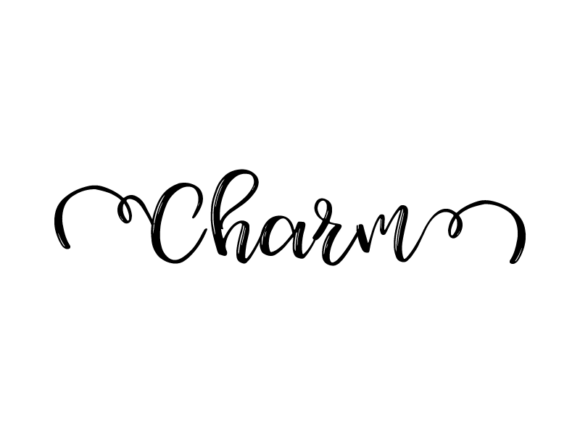
Charm Lettering: Hand-Drawn Vector Magic
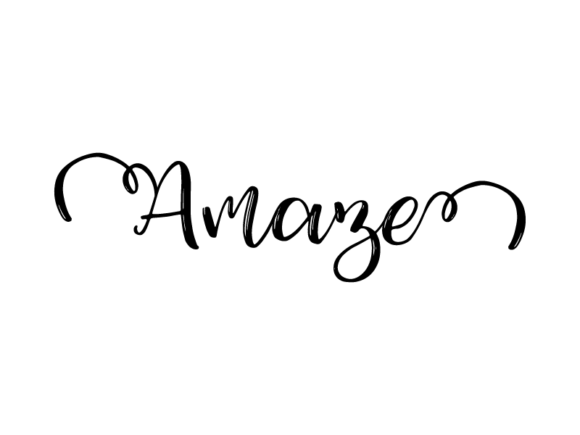
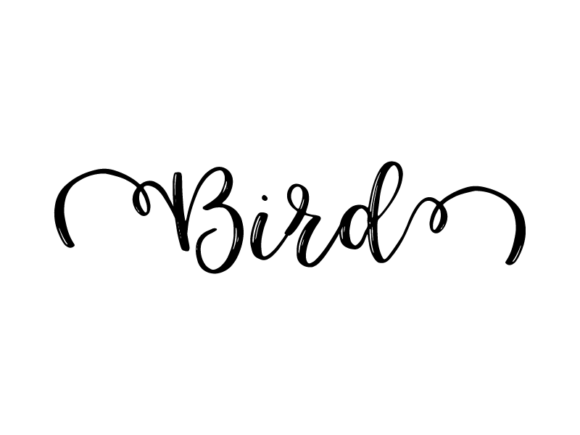
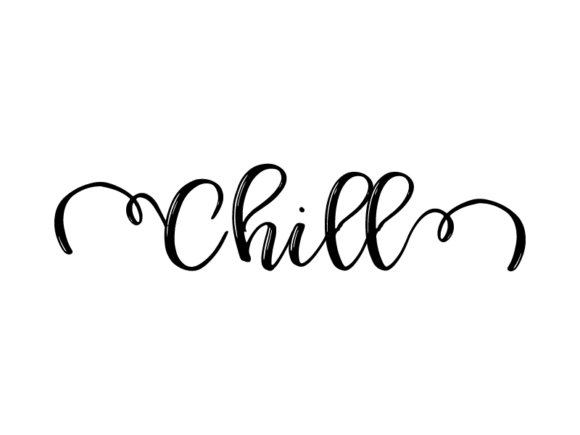
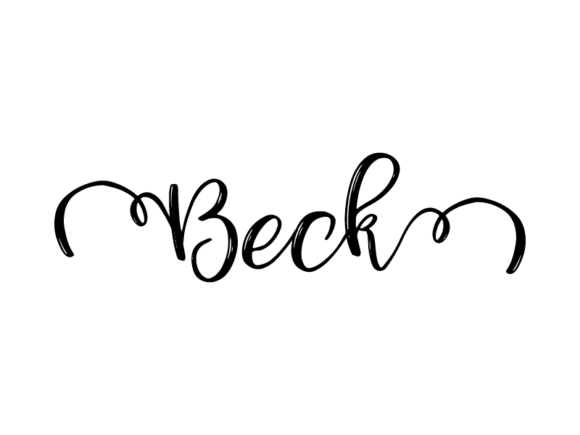
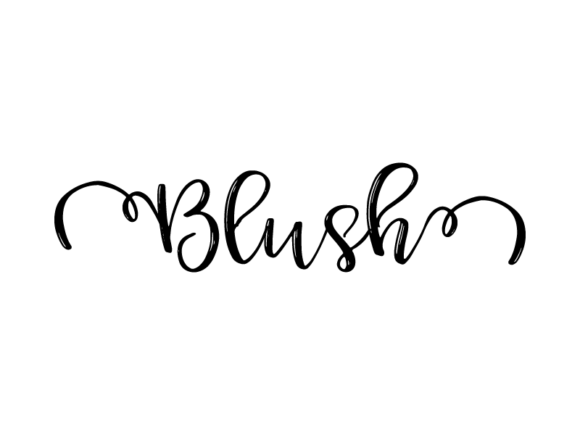
Charm Lettering is a style of hand-drawn, monochrome graphic lettering designed as clean, scalable vector files—usually in SVG format. It looks warm and personal, like something sketched with care, but it’s built to work flawlessly in digital design tools. Think of it as the best of both worlds: the soul of hand-crafted typography, paired with the flexibility of modern vector graphics.
Why Charm Lettering Feels Different
Unlike rigid digital fonts or overly polished script typefaces, Charm Lettering carries subtle imperfections—the gentle taper of a stroke, the soft curve of a serif, the slight variation in line weight. These details create visual warmth and authenticity. Because it’s delivered as vector art, every letter remains crisp at any size: tiny on a jewelry tag or massive on a festival banner. And since it’s monochrome (black or white by default), you’re free to recolor it instantly—no tracing, no guessing, no pixelation.
What You Can Do Right Away
You don’t need years of design training to use Charm Lettering well. If you’ve ever opened Adobe Illustrator, Affinity Designer, or even free tools like Inkscape or Vectr, you can start today. Drag the file into your project, scale it to fit your layout, change its color with one click, or ungroup letters to rearrange them into custom phrases. Need “Joy” on a tote bag? Done. Want “Breathe” centered on a classroom poster? Easy. Planning a wedding invitation suite? Layer Charm Lettering over watercolor textures for instant elegance.
Real-Life Uses That Just Work
- Clothing & Accessories: Print “Wander Often” across the back of a linen shirt—or stitch “Hello Sunshine” onto a denim patch.
- Home Décor: Cut vinyl versions for framed wall quotes, pillow stencils, or ceramic mug decals.
- Educational Tools: Teachers use Charm Lettering in printable alphabet charts, reward certificates, or classroom banners that feel inviting—not sterile.
- Small Business Branding: A café owner adds “Fresh Brew” in soft, rounded Charm Lettering to coffee sleeves, loyalty cards, and Instagram story highlights.
- Digital Content: Bloggers drop stylized words like “Create,” “Grow,” or “Belong” into Canva social templates—no font licensing worries, just expressive clarity.
Where It Fits Into Your Creative Workflow
Charm Lettering isn’t meant to replace fonts—it complements them. Use it when you want emphasis, personality, or emotional resonance. A heading in Charm Lettering draws attention faster than body text in Helvetica. It works especially well where tone matters: mindfulness journals, boutique packaging, handmade soap labels, or nonprofit campaign materials. Since it’s vector-based, it integrates smoothly into print production (CMYK-ready) and web projects (SVG embeds, responsive icons, animated reveals).
A Few Practical Notes Before You Begin
First, check compatibility. Most Charm Lettering files are SVG, EPS, or AI formats—so confirm your software supports vector editing. If you’re using Cricut Design Space or Silhouette Studio, look for SVG or DXF versions optimized for cutting machines. Second, consider spacing. Hand-drawn lettering often includes intentional kerning, but if you’re building custom phrases, you may want to adjust letter distance for balance—especially at larger sizes. Third, remember scalability: what looks delicate at 12pt might vanish on a billboard unless strokes are thick enough. Preview at multiple sizes before finalizing.
Great for Beginners—and Still Valuable for Pros
If you're new to design, Charm Lettering lowers the barrier to making things that look intentional and thoughtful. No need to master calligraphy or Illustrator’s pen tool from day one—you get expressive letterforms ready to use. For professionals, it’s a time-saving asset. Instead of redrawing custom lettering for every client project, you tweak existing vectors: swap colors for brand alignment, combine with illustrations, or adapt for dark/light mode interfaces. Freelancers report faster mockup turnarounds; educators appreciate consistent, printable quality across grade levels.
More Than Just Words on a Page
Charm Lettering supports intentionality. When someone sees “You Are Enough” in soft, hand-drawn lines on a notebook cover, it feels quieter, kinder, more human than bold sans-serif caps. That nuance matters—in mental wellness apps, teacher appreciation gifts, or small-batch candle branding. It also travels well across mediums: embroidered on fabric, debossed on leather, laser-etched on wood, or animated subtly on landing pages. Its monochrome base means it adapts to almost any background, texture, or lighting condition without clashing.
Getting Started Is Simple
Pick a phrase that reflects your purpose—whether it’s “Start Here” for a workshop handout or “Made With Love” for product tags. Open your design app, import the SVG, and experiment. Try layering it over photos, pairing it with minimalist icons, or converting it to a cut file for vinyl or paper crafts. Save variations: one version black on white, another reversed for dark mode, a third recolored in your brand’s accent hue. Keep a folder of your favorite adjustments—you’ll reuse them across seasons, campaigns, and projects.
Final Thought: It’s About Expression, Not Perfection
Charm Lettering invites you to slow down and choose meaning over speed. It doesn’t shout. It leans in. Whether you’re designing a child’s birthday banner or launching a mindful lifestyle brand, this style helps your message land with sincerity—not noise. And because it’s built to be edited, resized, and recolored freely, it grows with you. Your first project might be a single word on a postcard. Your tenth could be a full stationery suite, textile pattern, or interactive web component—all rooted in the same honest, hand-drawn voice.